
Manufacturers, regulators, and consumers all have a role to play in ensuring that these products are enjoyed responsibly and that their risks are mitigated. In moderation, alcohol can be OK for people old enough to legally drink. However, if you drink excessive amounts of alcohol in a short amount of time and/or drink large amounts frequently, your health can be at risk. If you’re concerned about your drinking habits, reach out to your healthcare provider or a specialist. Together, you can come up with a plan to improve your habits and health. A blood alcohol test is only accurate within six to 12 hours after your last alcohol-containing drink.

Please Enjoy, but Don’t Drink and Drive!

It may seem like a person has to drink a lot to get to this stage. But if a person drinks very quickly, they can get to this stage before long. At this stage of intoxication, the person’s behavior will be normal with no visible signs of intoxication, such as slurred speech or delayed reaction time. The Department of Health and Human Services classifies alcohol as a carcinogen, a substance that plays a Halfway house role in causing cancer. The medical community has linked alcohol with numerous types of cancer, such as cancers of the mouth, larynx, and esophagus.
- Blood tests are a very common and essential part of medical testing and screening.
- The appeal of alcohol-infused candies lies in their ability to offer a fun and different way to enjoy alcohol.
- The more you drink, especially in a short period of time, the greater your risk of alcohol poisoning.
- The liver still metabolizes alcohol at a constant rate, regardless of its delivery method.
- Alcohol poisoning is a serious and potentially fatal condition caused by consuming a large amount of alcohol in a short period.
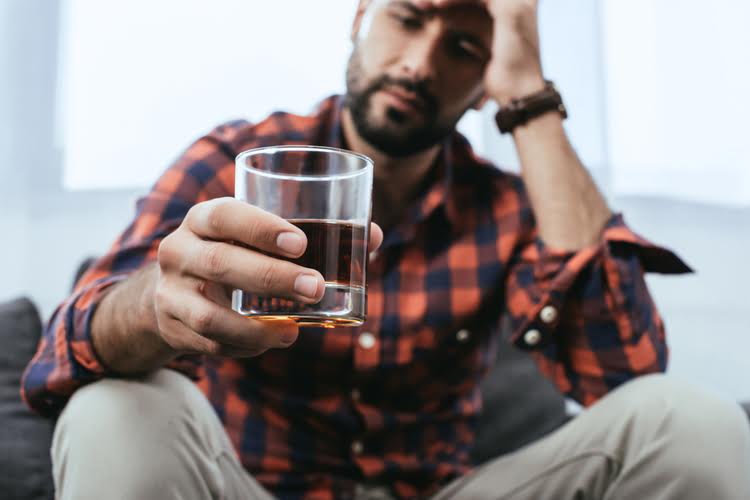
Man with alcohol intoxication and depression
To put this into perspective, a single serving of alcohol-infused candy, such as a handful of gummies or a few pieces of chocolate, can contain anywhere from 0.1 to 1.5 ounces of pure alcohol. While this amount may not seem significant, it can add up quickly, especially if the individual is consuming multiple servings or combining the candy with other alcoholic beverages. This means that they may not feel the same physical and mental effects of alcohol drinking the same amount they used to drink. Research has demonstrated that long-term heavy drinking weakens the heart muscle, causing cardiomyopathy. Alcohol misuse can also lead to high blood pressure, an irregular heartbeat (arrhythmia), or increased heart rate. Chronic, heavy drinking raises the risk for ischemic heart disease (heart problems caused by narrowed arteries) and myocardial infarction (heart attack).
Blood Alcohol Concentration (BAC) and Its Timeline
To understand whether it’s possible to get drunk from alcohol-infused candies, one must consider the alcohol content per serving and the total number of servings consumed. For instance, if a candy contains 5% alcohol by volume (ABV) and each piece is considered a serving, consuming a large number of these candies could potentially lead to intoxication. However, the rate of consumption, the individual’s body weight, and their tolerance to alcohol are also critical factors in determining the effects of the alcohol. A healthcare provider called a phlebotomist usually performs blood draws, including those for a blood alcohol content test, but any healthcare provider who is trained in drawing blood can perform this task. A provider then sends the samples to a lab where a medical laboratory scientist prepares the samples and performs the tests on machines known as analyzers. Yes, children can get drunk from eating alcohol-infused candy, and this is a significant concern for parents and caregivers.
What about those heart benefits?
When a person drinks alcohol, ethanol passes through the digestive system and enters the bloodstream through the linings of the stomach and intestines. If an individual drinks alcohol on an empty stomach, their BAC usually peaks within 30–90 minutes. Using alcohol with opioid pain relievers, such as oxycodone and morphine, or illicit opioids, such as heroin, is also a very dangerous combination. Like alcohol, these drugs suppress areas in the brain that control vital functions such as breathing. Ingesting alcohol and other drugs together intensifies their individual effects and could produce an overdose with even moderate amounts of alcohol. Alcohol use and taking opioids or sedative hypnotics, such as sleep and anti-anxiety medications, can increase your risk of an overdose.
Signs in others
Severe alcohol intoxication — or alcohol poisoning — is a dangerous condition that requires immediate medical attention. Alcohol intoxication refers to a temporary condition that occurs when a person drinks an excess of alcohol at one time. It causes physical and behavioral symptoms that range from mild to severe. Drinking too much and too quickly can lead to significant impairments in motor coordination, decision-making, impulse control, and other functions, increasing the risk of harm. Continuing to drink despite clear signs of significant impairments can result in an alcohol overdose, which is sometimes referred to as alcohol poisoning. If you’re currently using a substance regularly and are concerned it’s turning into a habit you’re unable to stop on your own, talk to a healthcare provider.
But the amount of alcohol in one drink may be much higher than those in the list above. For example, some craft beers may have four times the amount of alcohol that’s in a regular beer. Be aware of the alcohol content of what you’re drinking and adjust how much you drink based on this knowledge. The more you drink, especially in a short period of time, the greater your risk of alcohol poisoning. Unlike food, which can take hours to digest, the body absorbs alcohol quickly — long before most other nutrients.
- You must seek emergency medical treatment for a person who’s showing symptoms of alcohol poisoning.
- Alcohol in the stomach and intestine continues to enter the bloodstream and circulate throughout the body.
- However, prosecutors didn’t file charges until 10 months later — and an arrest warrant wasn’t issued until three days before Omar was killed, the Los Angeles Times reported.
- As with any product containing alcohol, it is crucial to consume alcohol-infused candy responsibly and in moderation, avoiding driving or operating heavy machinery altogether.
Intoximeters offers complete technical and maintenance training to our law enforcement customers at our headquarters in St. Louis. This course trains the student as a Collector and provides materials & guidance for use in training other collectors. Certification https://ecosoberhouse.com/ on more than one instrument will incur additional charges and one additional day of training.
How Alcohol Affects the Body During Poisoning
It’s important to turn to healthy coping mechanisms during these times of change, like exercising, meditating or learning a new hobby. Consider seeing a mental health professional if you’re having difficulty managing stress. For example, if you overdose on opioids, it targets the part of your brain that regulates your breathing. If not treated quickly, your breathing slows or stops completely, leading to death.
A person’s breathing and blood circulation will be extremely slowed. Their motor responses and gag reflexes are nonfunctional, and their body temperature drops. The less alcohol you drink, the lower your risk for these health effects, including several types of cancer. These symptoms often occur in stages, depending on how intoxicated a person is. The table below shows common symptoms at each level of alcohol intoxication. Keep reading to learn more about alcohol intoxication, including its causes, symptoms, and treatments.
It can damage body parts that are directly involved in alcohol metabolism, such as the liver, pancreas, and brain, as well as DNA itself. Exposure to acetaldehyde can result in DNA damage and mutations that lead to cancer, Bernstein explains. It is thought those drinks were tainted with methanol, a toxic substance alcohol intoxication normally found in paint thinner but that is sometimes mixed with alcohol illegally to cut costs. By embracing these practices, consumers can navigate the world of alcohol-infused candies with awareness and responsibility, enjoying the unique experience they offer while minimizing potential risks. Socially, the introduction of alcohol-infused candies into settings where they might not traditionally be expected, such as parties or social gatherings, could change drinking behaviors and norms.
